One of the only places in the country to earn a multi-engine seaplane rating, in a classic Twin Beech on floats
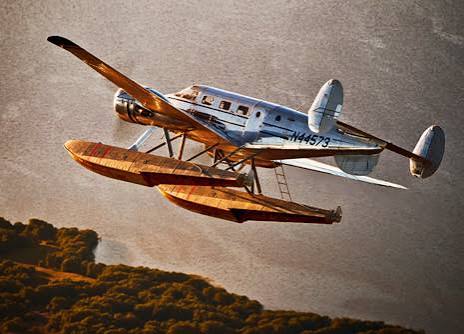
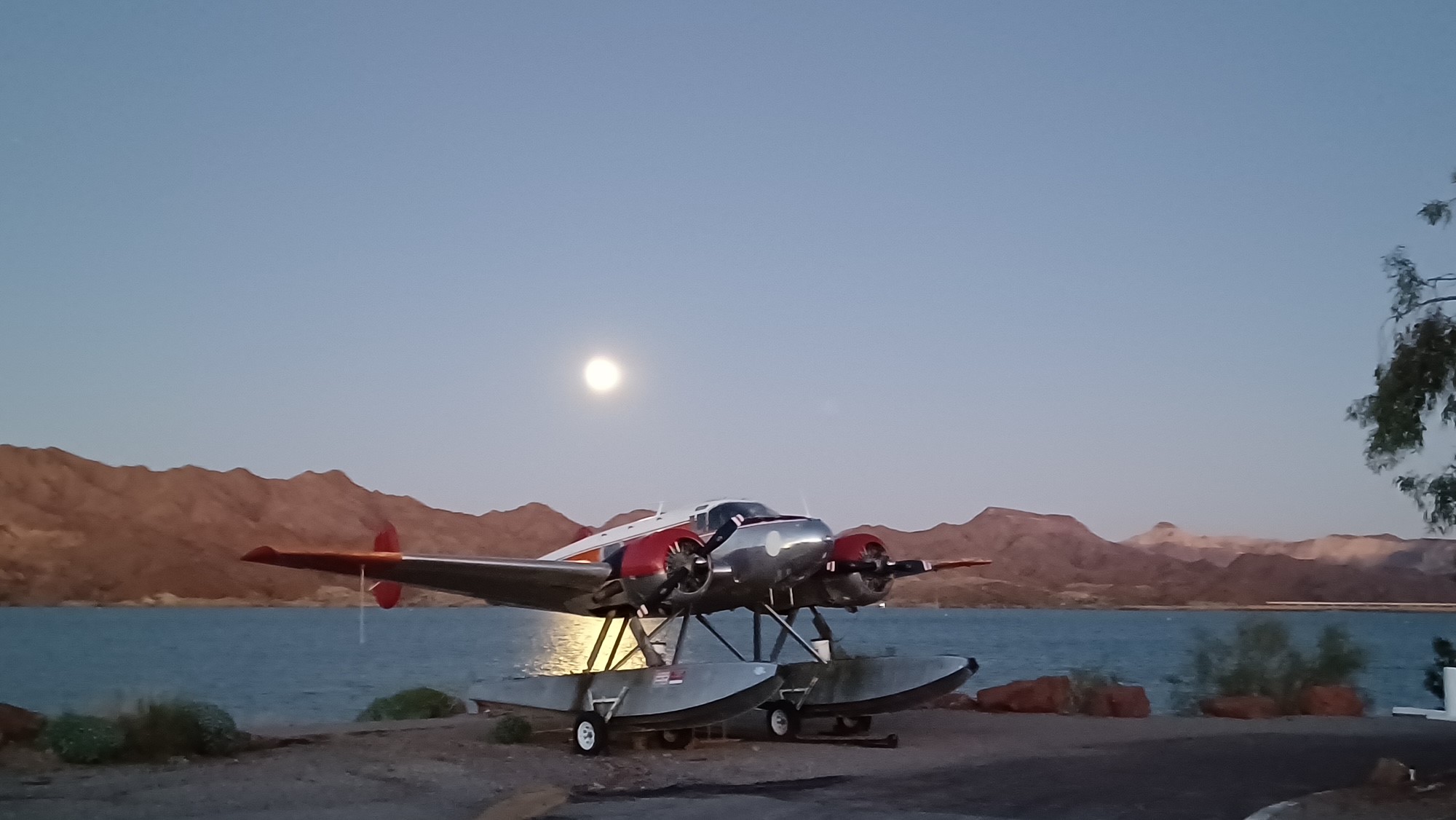
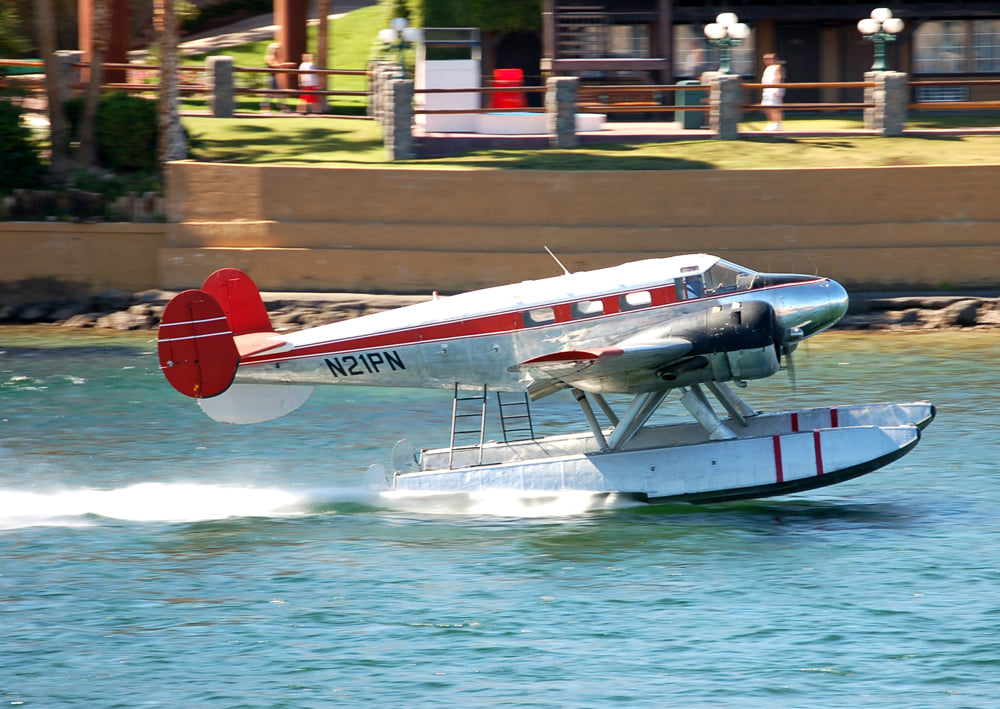
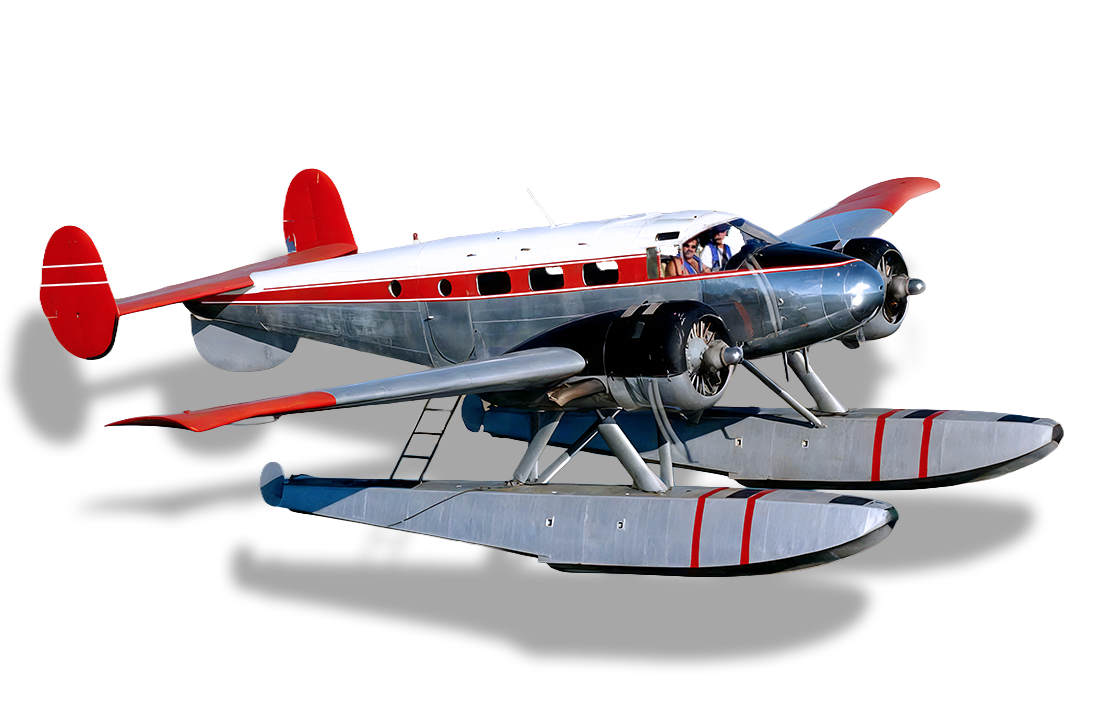
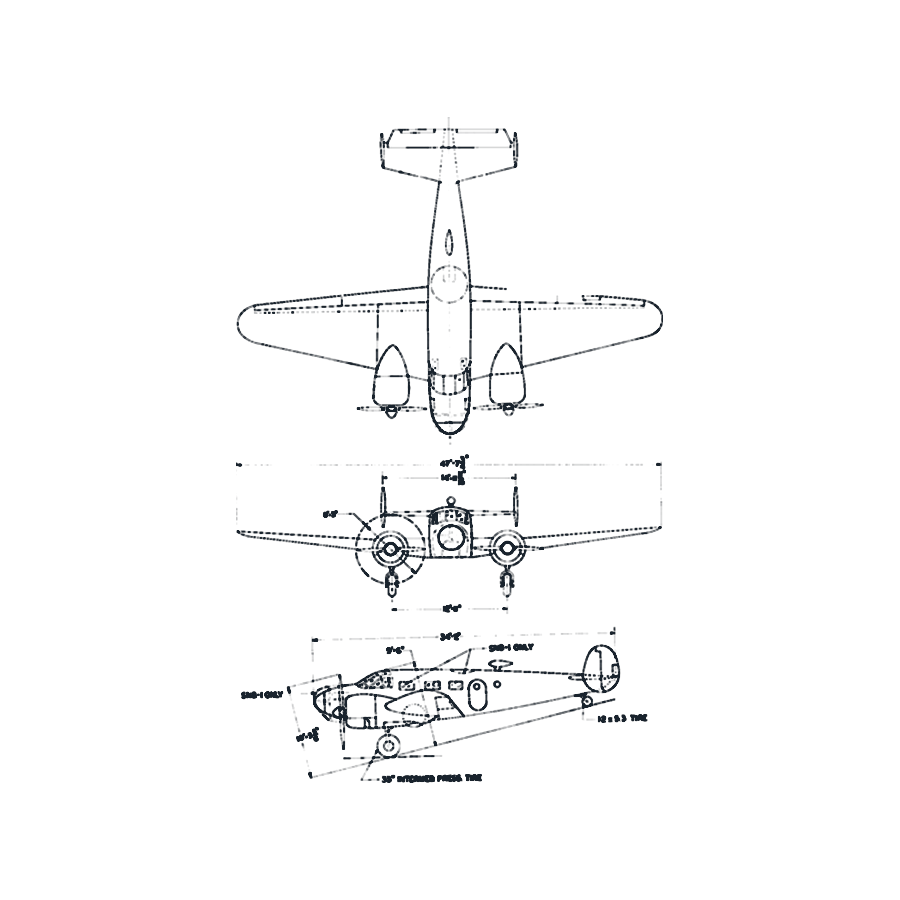
The Beechcraft Model 18 (commonly known as the Twin Beech), produced from 1937 to 1969 with over 9,000 built, is a versatile twin-engine, low-wing monoplane that excelled in seaplane configuration on Edo floats. Seaplane variants such as the SA18A, SA18D, and others featured interchangeable float (or ski) gear suited to remote lake, inter-island, and bush operations, particularly in Canada and Alaska. Powered typically by two Pratt & Whitney R-985 Wasp Junior radials of about 450 hp each (earlier models used Wright or Jacobs engines), it offered seating for a crew of two plus six to nine passengers or equivalent cargo, a max speed around 225 mph, a range of roughly 1,000–1,200 miles, and a distinctive twin-tail design. Highly adaptable for civil executive/feeder airline service, cargo, air mail, and military roles (as C-45 Expeditor and related trainers), the float-equipped Twin Beech remains celebrated for its rugged reliability, graceful lines, and enduring utility on water. On floats she’s slower than on wheels, cruising around 117 kts, but nothing flies quite like a radial-engine Twin Beech on the water, and Sheble is one of the few schools where you can train in one.
Losing an engine in a 9,000 lb seaplane leaves little margin. You’ll learn to hold the airplane straight above red-line Vmc (93 kts), identify the dead engine, verify it and feather the propeller.
The R-985 radials reward care. You’ll learn the start sequence, warm-up, oil-temperature control and carburetor heat, which matters more over water where intake icing is a real risk.
The Twin Beech’s two floats aren’t tied together, so turns on the step need a light touch, especially in chop. You’ll learn smooth power and rudder work to keep it tracking straight.
A long wing and no brakes make docking a planning exercise. Water rudders, differential power and well-timed engine shutdown let you glide in under full control.