Beechcraft Travel Air
One of the best multi-engine training aircraft to earn your rating!
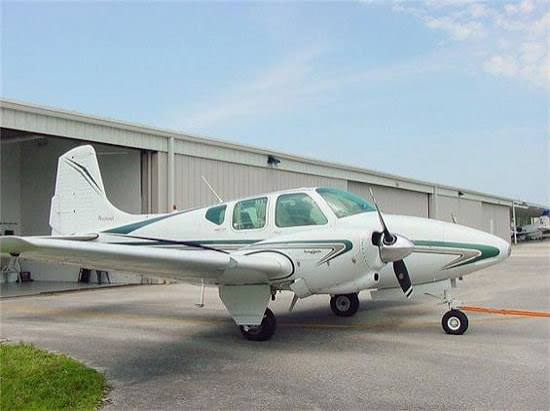
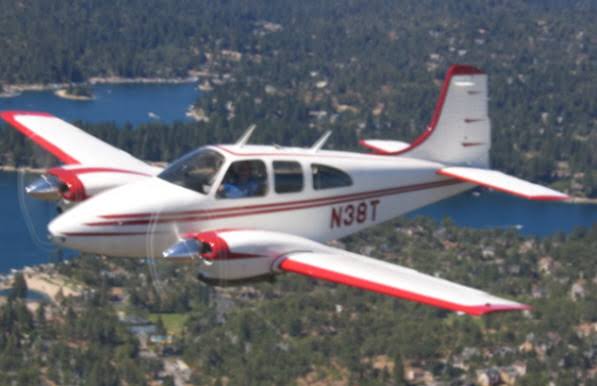
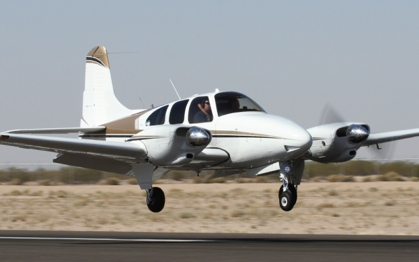
Beechcraft Travel Air (Model 95) is a light twin-engine piston aircraft produced by Beechcraft from 1958 to 1968. It was developed as a twin-engine evolution of the single-engine Model 35 Bonanza to fill the gap between the Bonanza and the larger, heavier Model 50 Twin Bonanza. It also served as the direct predecessor and basis for the more powerful Beechcraft Baron series.
- Unmatched technology
- Top multi-engine trainer
- Long Range
- Beechcraft comfort and class
Take off Distance
MAX RANGE
Aircraft Speed
Passengers
Beechcraft B-95 Photo Gallery
Travel Air Specs
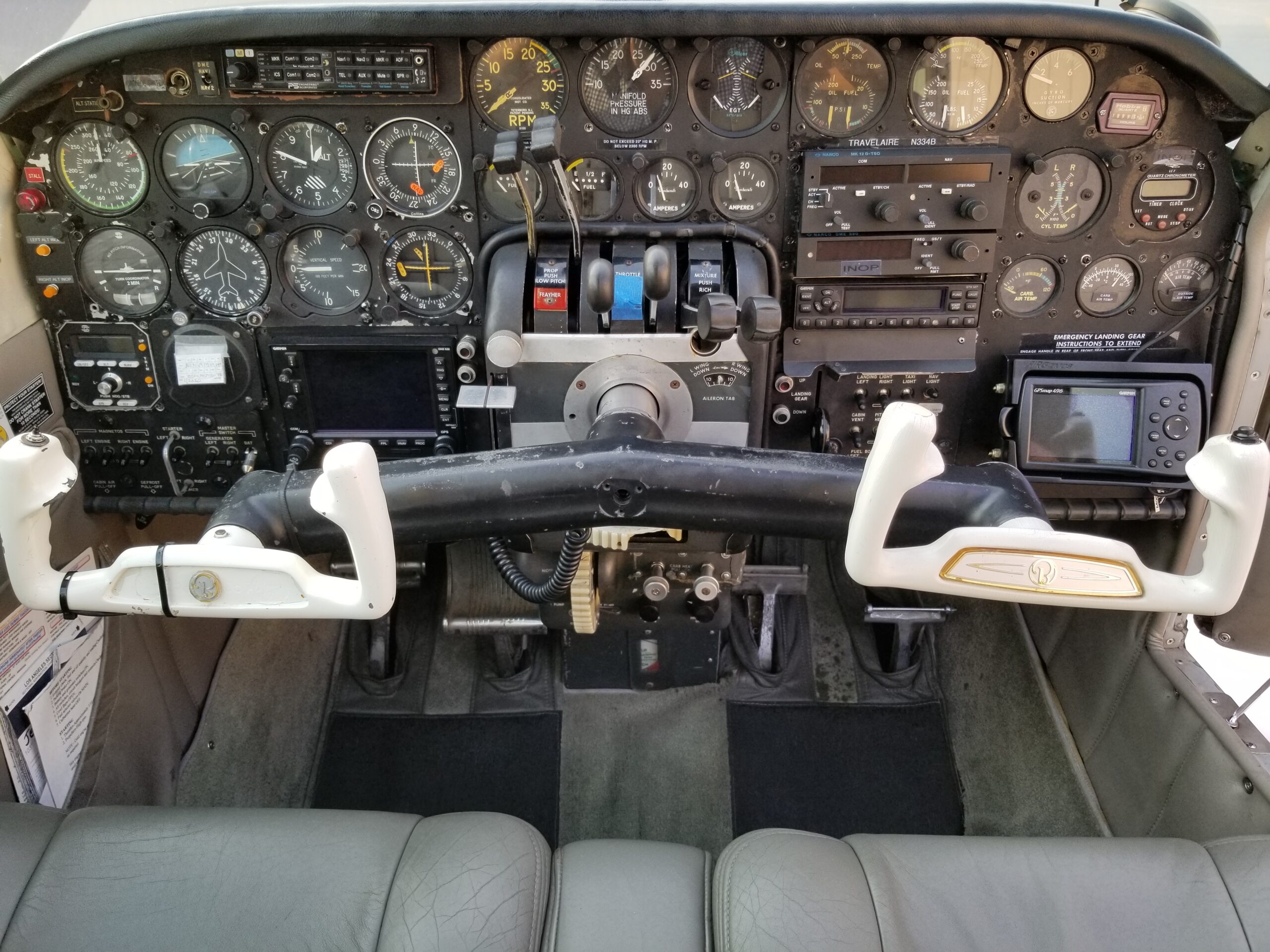
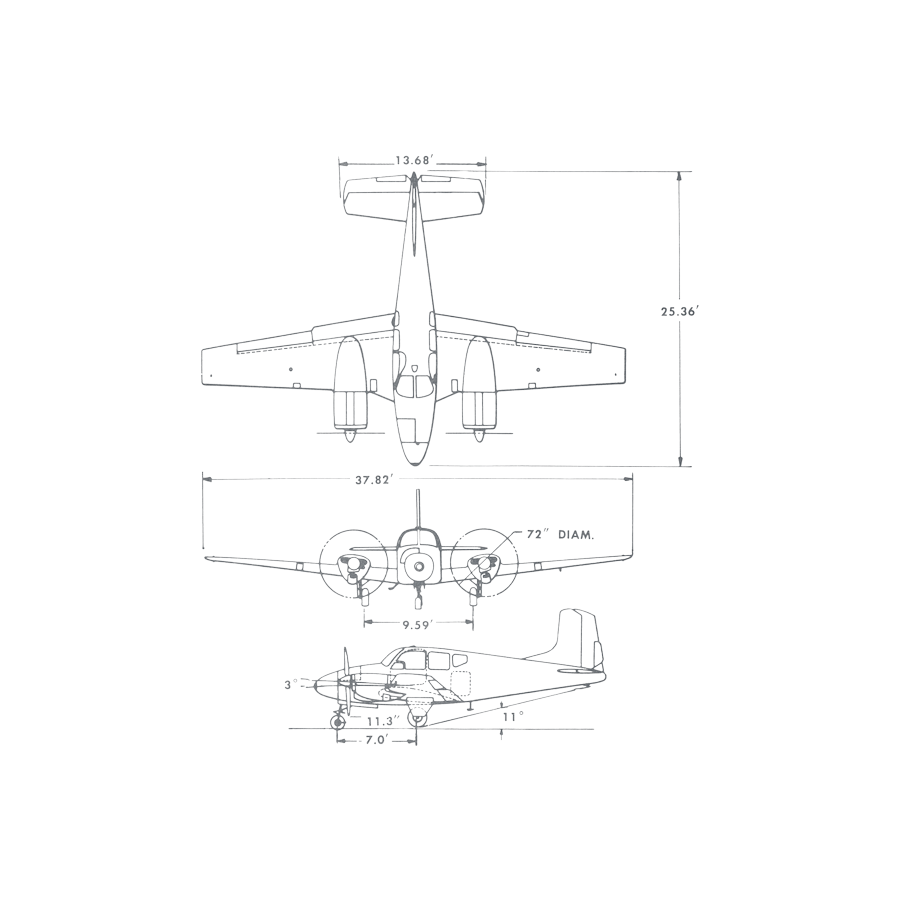
Engines: 2 × Lycoming O-360-A1A, 180 hp each Seats: 4 (optional 5th) Max T/O Weight: 4,100 lb Fuel: 84 gal usable (112 gal with optional tanks) Cruise Speed: 174 kts (200 mph) Max Speed: 182 kts (210 mph) Vmc (red line): 70 kts · Vyse (blue line): 89 kts Rate of Climb: 1,300 fpm (two engines) Service Ceiling: 18,700 ft Takeoff: 1,000 ft ground run · 1,280 ft over 50 ft Landing: 980 ft ground run · 1,590 ft over 50 ft
Beechcraft Travel Air Safety
Engine-out control
You’ll learn to keep the airplane straight and climbing when an engine quits: identify the dead engine, verify it, and feather its propeller. The Travel Air’s large rudder makes this a confident, controllable skill to master.
Red line and blue line
Every twin has two key speeds. Below the red line (Vmc, 70 kts) you can lose directional control on one engine. The blue line (Vyse, 89 kts) gives the best climb on one engine. We drill both until they’re automatic.
Single-engine performance
On one engine, any light twin climbs slowly, especially at Kingman’s 3,449 ft field elevation on a hot day. You’ll learn to plan takeoffs and climbs around real single-engine numbers, which is the habit that keeps multi-engine pilots safe.
A stable instrument platform
The Travel Air is solid and predictable in instrument conditions, so you can focus on procedures instead of fighting the airplane. That makes it a good airplane to build multi-engine instrument skills in.
Contact Sheble Aviation