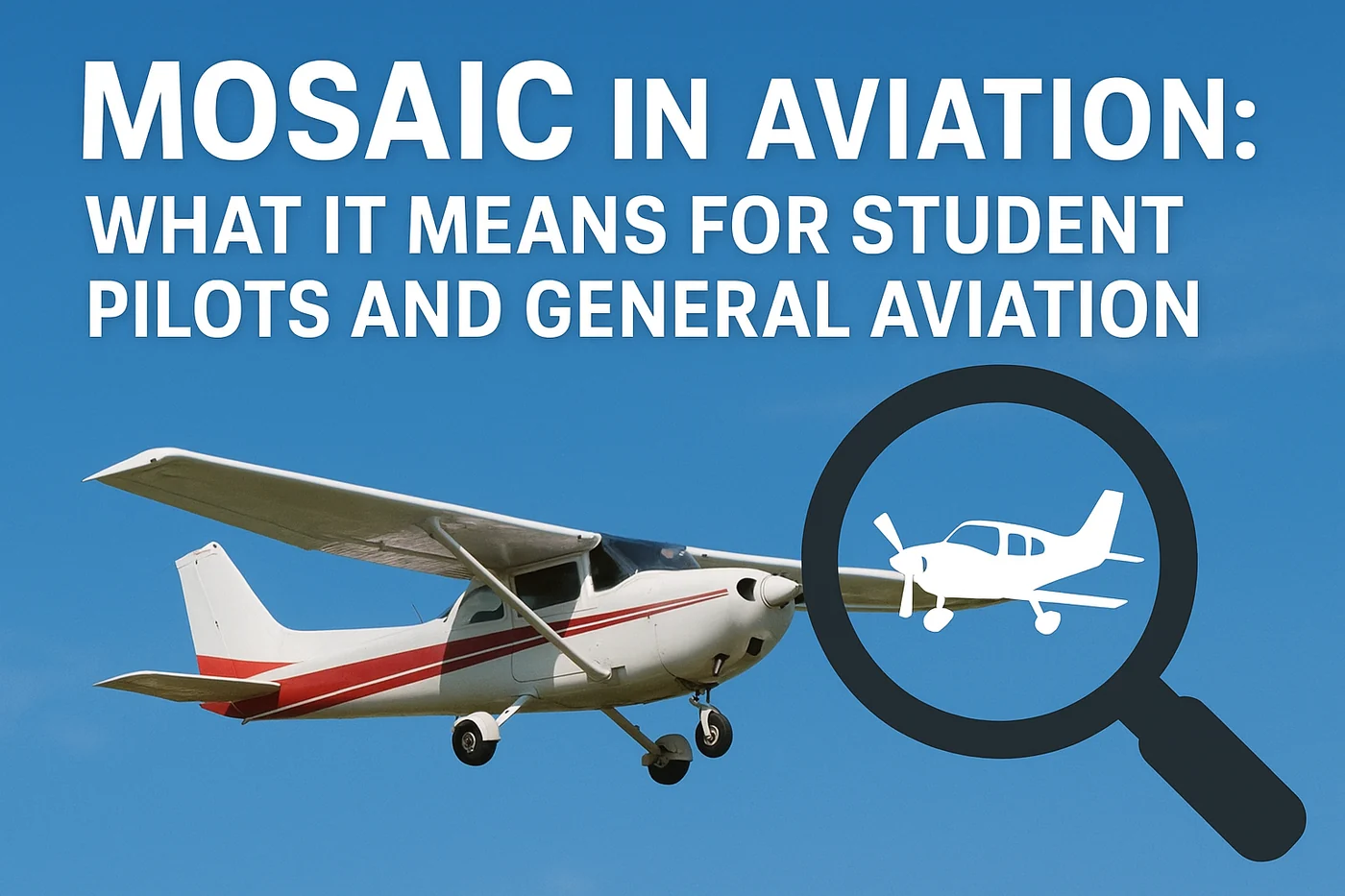
July 24, 2026 marked a significant milestone for general aviation. The second and final phase of the FAA’s Modernization of Special Airworthiness Certification (MOSAIC) rule took effect, completing the most substantial update to light-sport aircraft and sport pilot regulations in two decades.
MOSAIC separates sport pilot privileges from the old light-sport aircraft definition and replaces rigid weight limits with performance-based criteria. Light-sport category aircraft are now primarily limited by stall speed (approximately 59 knots clean for airplanes) rather than a fixed maximum takeoff weight. This allows manufacturers to design more capable four-seat aircraft, incorporate new propulsion types (including electric and other non-turbojet systems), and offer improved performance, cabin space, and utility while remaining in the light-sport category.
For pilots, the practical effects are already visible. Sport pilots—and higher-certificate pilots exercising sport pilot privileges—may operate a wider range of existing aircraft that meet the new performance standards. With appropriate training and endorsements, privileges expand to include night operations (with medical or BasicMed requirements), retractable gear, and controllable-pitch propellers in qualifying aircraft. Private pilots who hold a valid driver’s license and have not been denied an FAA medical can exercise sport pilot privileges in eligible aircraft, potentially extending their flying career or reducing medical costs for recreational flying.The rule also opens pathways for new aircraft types, including certain powered-lift and gyroplane designs under the expanded framework.
Industry observers note that more capable training aircraft may eventually reach flight schools, and that the broader eligibility could help keep more pilots active in general aviation.MOSAIC does not reduce privileges for private, commercial, or ATP certificate holders. Instead, it expands options—particularly for recreational flying and for pilots looking to maintain currency or introduce others to aviation in a lower-barrier environment. Combined with ongoing interest in private and business aviation, the rule is expected to support continued growth in the recreational and light aircraft segments.
For pilots and flight schools, the practical takeaway is opportunity: more aircraft potentially available, clearer pathways for sport pilot training, and new reasons for private pilots to stay engaged. Specialized ratings such as multi-engine and seaplane remain valuable differentiators regardless of the light-sport changes.Ready to take advantage of the expanded opportunities in private aviation?
Whether you are pursuing a private certificate, commercial multi-engine, seaplane rating, or simply want to stay current under the new rules, Sheble Aviation can help. Email Training@ShebleAviation.com or call (702) 222-3617 to get started.These posts are written in a professional yet approachable tone suitable for ShebleAviation.com, stay within the 400–700 word range, reference recent industry developments accurately, and each close with the requested CTA. You can publish them as-is or adjust headlines/formatting to match the site style.