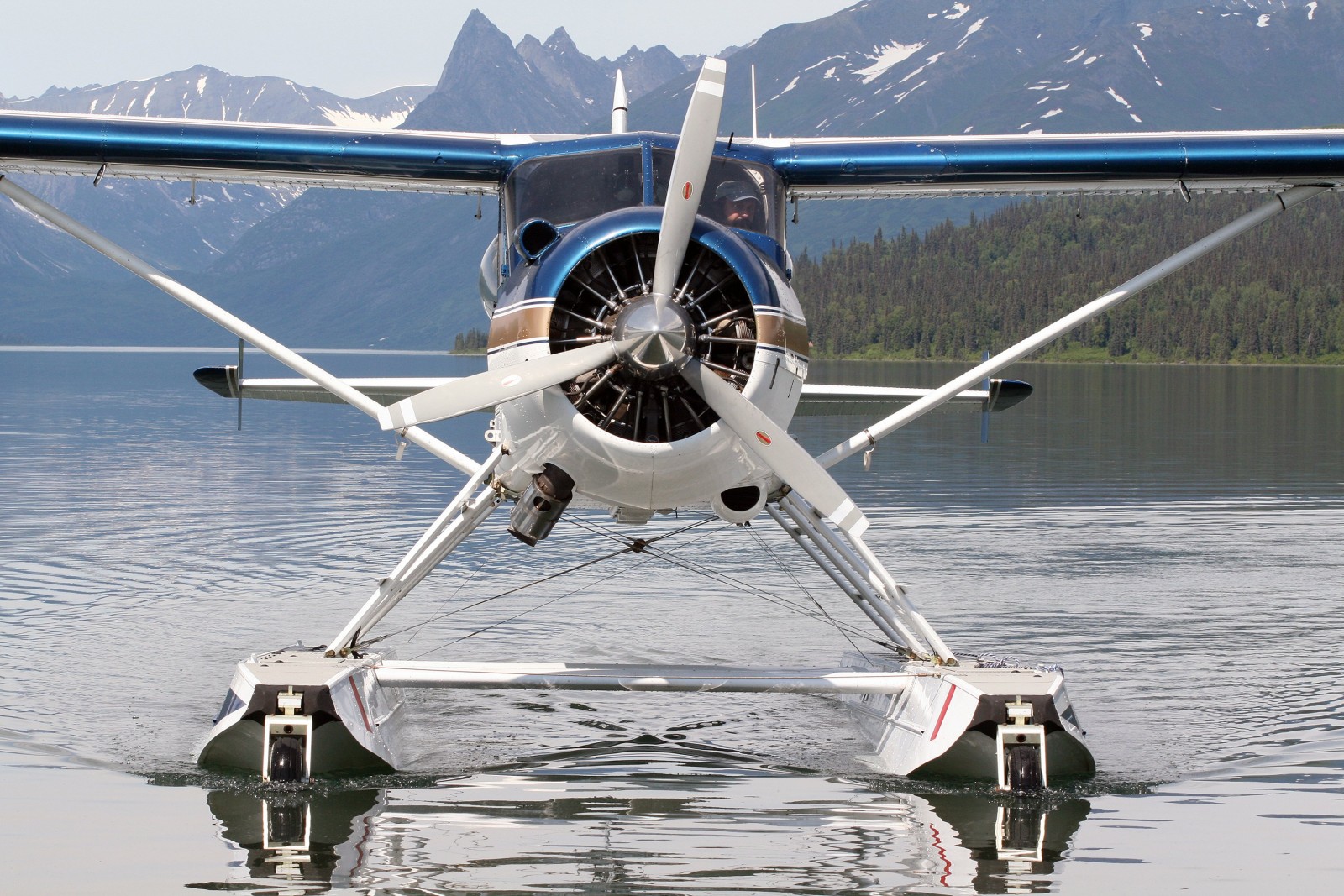
Seaplane flying has always been one of the most rewarding skills a pilot can master. Today it is also becoming one of the more strategically valuable ratings in general aviation and specialized commercial operations.Industry data shows the global seaplanes market was valued at approximately $1.8 billion in 2025 and is projected to reach $3.1 billion by 2034, growing at a compound annual rate of about 6.2%.
Growth is being driven by expanding island and coastal tourism infrastructure, increased use of amphibious aircraft for maritime patrol and environmental monitoring, and rising private aviation demand in remote and waterfront regions.Yet operators continue to report difficulty finding qualified float-rated pilots.
Commercial seaplane operators in places such as Canada and the Maldives have noted that the additional training, cost, and specialized experience required beyond a standard commercial pilot certificate create a real bottleneck. The rating itself is relatively quick to obtain—typically a matter of days rather than months—but the pool of pilots who actually hold it remains small compared with the demand for water operations.
Why does this matter for individual pilots? A Single-Engine Seaplane (ASES) or Multi-Engine Seaplane (AMES) rating opens doors that land-only certificates do not. Tourism operators, charter companies serving lakes and coastal routes, survey and environmental work, and even some corporate and private owners value the ability to operate on water.
In an era when many low-time commercial pilots are competing for the same traditional first-officer slots, specialized experience stands out.Training on real navigable waterways—glassy water, rough water, confined areas, docking, boat traffic, and beach operations—builds stick-and-rudder skills and decision-making that transfer to almost any flying environment.
Sheble Aviation’s location on the Colorado River between Lake Havasu and Lake Mohave offers exactly that kind of practical, varied training environment year-round.The seaplane market is not as large as the airline sector, but it is growing steadily and faces a genuine shortage of properly trained pilots. Adding the rating is one of the most efficient ways to differentiate yourself while gaining some of the purest flying available.Ready to add a seaplane rating?
Email Training@ShebleAviation.com or call (702) 222-3617 to schedule your accelerated ASES or AMES training on the Colorado River.